Volunteer Work: A Pathway to Maintain Your Benefits
- Numer Nurse
- 4 hours ago
- 4 min read

In today's fast-paced world, many individuals find themselves navigating the complexities of maintaining their benefits while seeking meaningful ways to contribute to their communities. Volunteer work can be a powerful solution, offering not only personal fulfillment but also a pathway to retain essential benefits. This blog post explores how engaging in volunteer activities can help you maintain your benefits, the types of volunteer work available, and practical steps to get involved.

Understanding the Connection Between Volunteer Work and Benefits
Many people are unaware that volunteering can play a significant role in maintaining various benefits, including unemployment assistance, health care coverage, and even housing support. Here are some key points to consider:
Eligibility Requirements: Many benefit programs require participants to engage in community service or volunteer work as a condition for receiving assistance. This is particularly true for unemployment benefits, where job seekers may need to demonstrate their commitment to finding work through volunteer activities.
Skill Development: Volunteering can help individuals develop new skills or enhance existing ones, making them more competitive in the job market. This can lead to better job opportunities and, consequently, improved financial stability.
Networking Opportunities: Engaging in volunteer work allows individuals to connect with others in their community, including potential employers. Building a network can be invaluable when seeking job opportunities or professional references.
Types of Volunteer Work That Can Help Maintain Benefits
There are numerous ways to get involved in volunteer work, and the type you choose can depend on your interests, skills, and the specific benefits you are trying to maintain. Here are some popular options:
Community Service Programs
Many local governments and non-profit organizations offer community service programs that require participants to volunteer a certain number of hours. These programs often focus on areas such as:
Food Banks: Helping distribute food to those in need can be a rewarding experience and often has flexible hours.
Homeless Shelters: Volunteering at shelters can provide essential support to vulnerable populations while allowing you to gain valuable experience in social services.
Environmental Initiatives
If you have a passion for the environment, consider volunteering for local conservation efforts. This can include:
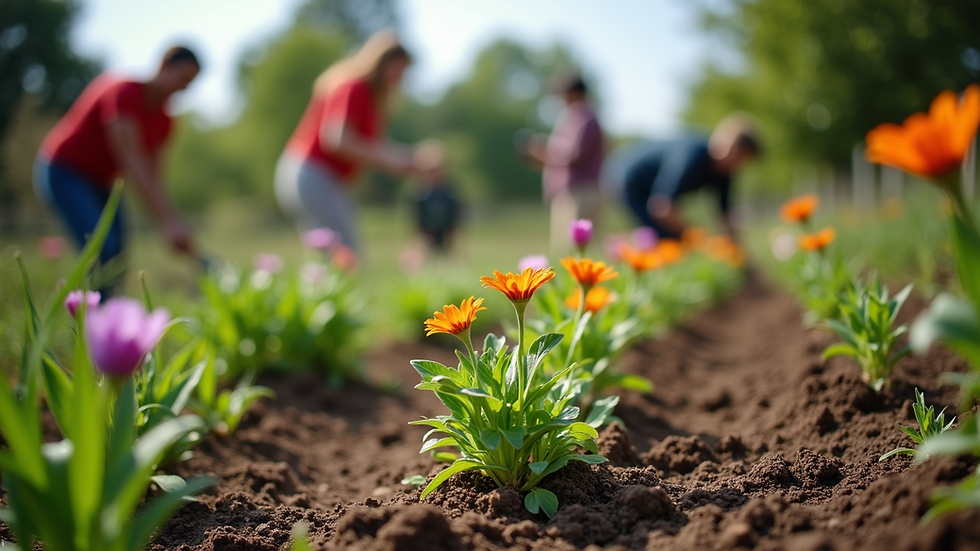
Community Gardens: Participating in community gardening projects not only beautifies neighborhoods but also promotes sustainable practices.
Clean-Up Drives: Joining local clean-up efforts can help improve public spaces while connecting you with like-minded individuals.
Educational Programs
Volunteering in educational settings can be particularly beneficial if you are looking to enhance your skills or gain experience in teaching or mentoring. Opportunities include:
Tutoring: Offering your time to help students with their studies can be incredibly rewarding and may also help you build a strong resume.
Mentorship Programs: Becoming a mentor to youth or peers can provide valuable leadership experience and foster personal growth.
How to Get Started with Volunteer Work
Getting involved in volunteer work is easier than you might think. Here are some practical steps to help you get started:
Identify Your Interests
Begin by reflecting on what causes you are passionate about. Consider the following questions:
What skills do you want to develop?
What issues matter most to you?
How much time can you realistically commit to volunteering?
Research Opportunities
Once you have a clear idea of your interests, start researching local organizations that align with your values. Websites like VolunteerMatch and Idealist can help you find opportunities in your area. Additionally, consider reaching out to local non-profits directly to inquire about volunteer needs.
Apply and Commit
After identifying a few opportunities, apply to volunteer. Be prepared to commit to a specific schedule, as consistency is often crucial for both the organization and your benefits.
Track Your Hours
Keep a record of the hours you volunteer, as this documentation may be required to maintain your benefits. Many organizations provide volunteer hour logs, which can be helpful for this purpose.
The Benefits of Volunteering Beyond Maintaining Benefits
While maintaining your benefits is a significant advantage of volunteering, the personal and professional benefits can be equally impactful. Here are some additional advantages:
Personal Fulfillment
Volunteering can provide a sense of purpose and fulfillment. Contributing to your community can boost your mental well-being and create a sense of belonging.
Building a Stronger Community
By volunteering, you are actively participating in the betterment of your community. This can lead to stronger social ties and a more supportive environment for everyone.
Gaining Experience
For those looking to enter or change careers, volunteering can provide valuable experience that enhances your resume. Many employers value volunteer work as it demonstrates commitment, initiative, and a willingness to learn.
Overcoming Common Barriers to Volunteering
Despite the numerous benefits, some individuals may face barriers to volunteering. Here are some common challenges and how to overcome them:
Time Constraints
Many people feel they do not have enough time to volunteer. Consider the following strategies:
Start Small: Even a few hours a month can make a difference. Look for opportunities that fit your schedule.
Combine Activities: If you have children, consider family-friendly volunteer opportunities that allow you to spend quality time together while giving back.
Lack of Skills
Some individuals may feel they lack the necessary skills to volunteer effectively. Remember that many organizations provide training for volunteers. Focus on your willingness to learn and contribute, rather than perfection.
Fear of Commitment
If you are hesitant to commit to a long-term volunteer position, look for short-term opportunities or one-time events. This can help you gauge your interest without feeling overwhelmed.
Conclusion
Engaging in volunteer work is not only a fulfilling way to give back to your community but also a practical strategy for maintaining your benefits. By understanding the connection between volunteering and benefits, exploring various opportunities, and overcoming common barriers, you can find a rewarding path that supports both your personal growth and your financial stability.
Take the first step today by identifying a cause you care about and reaching out to local organizations. Your time and effort can make a significant difference, both for you and those you serve.

Comments